

How To Clean Shower Heads Legionella
Legionella Training Courses
As the UK's No.1 Legionella Training Courses Provider, we offer a broad range of accredited City and Guilds Accredited legionella courses. Our legionella training meets a vast variety of roles and responsibilities, all adhering to ACoP L8.
City & Guilds Accredited Programme


The UK's No.1 Legionella Training Courses Provider
At HX Training, we offer a full range of legionella training courses to suit your professional needs. Whether you are an individual or a large business, we have you covered. Furthermore, if you need training tailored to your company's specific requirements, we offer private courses too. Either request a quote or contact us for more information.
Our expert trainers have years of experience delivering legionnaire training to a range of new and experienced learners. In addition, our trainers are on hand to give support throughout the legionella course. Furthermore, all of our ACoP L8 training are City and Guilds accredited programmes.
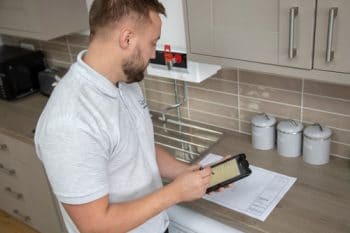
Why do you need to complete an ACoP L8 Course?
Legionella training courses are essential for anyone in control of hot and cold water systems that are prone to legionella bacteria growth. Essentially, legionella risk assessors should complete a suitable ACoP L8 course to comply with their legal responsibility, as well as following the appropriate health and safety law. Furthermore, this legionella course must be at the correct level to perform your legal duties safely and effectively.
ACoP training is an essential part of all legionella bacteria control to prevent Legionnaires disease. It is necessary to be competent to carry out a legionella risk assessment, if you have any involvement of the control of legionella. Fortunately, our City and Guilds legionella risk assessment courses cover all of this essential information and more. As a result, you will be able to assess sources of risk, control legionella bacteria and act accordingly.
Legionella Training Courses can be referred to as:
- ACoP L8 Course
- Legionella Management Course
- Water Treatment Course
- Legionella Risk Assessment Course
- Legionnaires Course
Choose from 4 learning types for ACoP L8 Training
Virtual
Classroom
Longest running health & safety training provider to deliver quality remote learning with our expert trainers
Find out more >
On-Site
Training
With 5 or more learners, HX Training can deliver a dedicated course tailored to your exact needs
Find out more >
Open
Courses
Choose from one our training venues across the UK, some with in-house, specialist facilities
Find out more >
E-learning
Courses
Learn at your own pace with this affordable training course that covers ACoP L8
Find out more >
Online Legionella Training Courses
HX Training are the longest training provider to offer online legionella training courses through our bespoke live virtual classrooms. We have tried and tested this method to guarantee you receive the exact same knowledge and support as our face to face courses. This means we assure effective results to manage your daily tasks of legionella control. As a direct online alternative to our ACoP L8 classroom courses, you are provided with the same expert trainer, presenting the course live.
Why choose Online Legionella Training?
Throughout the legionella training course, you can interact with the trainer, who will answer ANY questions you may have. This is a much more personal and effective alternative to traditional online courses, which other training companies provide. Foremost, their impersonal online courses are often frowned upon by the HSE. This is because you will not receive the same level of training to help you complete your duties for legionella control.
With our unique option for ACoP L8 training, we offer a well-rounded knowledge base. On the other hand, you may not get this with other e-learning approaches, such as 'stop and start' video learning.
We only offer this option for our e-learning legionella awareness training, as this is the most basic level of education. Therefore, it is only suitable for those with minimal exposure to risks of legionella.
Remote learning offers exactly the same City and Guilds certificate as our face to face courses. HX Training ensures you leave with a good level of knowledge to control Legionnaires disease outside of training.
These legionella training courses make a great choice for:
- Legionella Management Training Course
- Awareness Training
- Legionella Control Training Course
- Legionella Risk Assessment Training Course
Why choose HX Training for Legionella Training Courses?
Accredited by City & Guilds. Taught by industry professionals & experienced trainers who are experts in their field.
Receive your certificates at no extra cost! All of our courses include accreditations in the price.
Have flexibility with your training with a dedicated course and a vast number of course dates to choose from.
Choose from virtual, blended, on-site and classroom learning across a range of industries.
What is the ACoP L8 and how is it relevant to our Legionella Training Courses?
The Health Safety Executive (HSE) wrote and produced the approved code of practice (ACoP L8) . It is a book covering the identification and risk management when it comes to legionella water treatment. Duty holders and responsible employers should adhere to the precautions written within the text.
By following the guidelines within the ACoP L8, the legal responsibilities will be fulfilled. However, as precaution to carry out these responsibilities, an appropriate legionella training course should taken. Furthermore, the most basic level of training, such as L8 Awareness Training, is essential for legionella bacteria management and control.
Separate publications include:
- The technical guidance documentHSG 274
- The healthcareHTM 04-01 guidance document
What is Legionnaires Disease?
Legionnaires disease is caused by legionella bacteria. Furthermore, legionella bacteria is spread through water systems that have temperature high enough to encourage bacteria growth. This can include cooling towers, evaporative condensers, hot and cold water systems, and spa pools. In addition, the bacteria can grow many different types of premises.
How do you get Legionnaires Disease?
A common way that individuals are infected with Legionnaires' disease is through inhaling droplets of water (aerosols) in the air. These droplets will contain legionella bacteria. Furthermore, Legionnaires' disease is essentially a deadly variety of pneumonia.
Human contact cannot spread this type of pneumonia. However, despite this, Legionellosis can affect a large number of people in a short space of time through domestic appliances (e.g. showers) or commercial systems (e.g. air conditioning units).
If left untreated the disease can be fatal. This is why it is very significant to manage public health by undertaking a Legionnaire Training Course.
What is a legionella risk assessment?
A suitable and sufficient legionella risk assessment should be carried out. This is to identify and assess sources of legionella bacteria from work activities and water systems. As a result, you may take any safety measures needed.
The legionella risk assessment is a live document . Therefore, this should be reviewed regularly and specifically when there is a reason to believe it is no longer valid. This includes a review of the management and communication procedures.
Legionella Risk Assessment Summary:
- The duty holder ensures that a legionella risk assessment is carried out on all water systems
- The duty holder should appoint a responsible person to control the daily risk of legionella bacteria. Frequently the responsible person will have at least one deputy to cover in case of absences.
- A legionella risk assessment should be carried out by a competent person who has been trained and has sufficient experience.
- A written scheme should be put together to control the risk of legionella bacteria. This is a detailed action plan of what is to be carried out, by whom and how often.
- The legionella risk assessment for landlords should be reviewed regularly.
- All persons named on the legionella risk assessment must have appropriate Legionella Training.
For more information: Legionella Risk Assessments Explained

What is the difference between Legionella 'Responsible Person' and duty holder?
The legionella duty holder is either:
(a) the employer, where there is a risk of legionella bacteria to their employees or others
(b) a self-employed person, where there is a risk to themselves or others
(c) the person who is in control of premises
(d) the person who is in control of legionella bacteria risk in the building (e.g. where a building is let to tenants, but the landlord is responsible for maintenance)
The roles and responsibilities of a duty holder and legionella responsible person:
The duty holder ensures the legionella risk assessment will be carried out. If the risk assessment shows that there is a foreseeable risk, the duty holder should appoint a responsible person within the business.
The appointed responsible person who carries out the risk assessment, should have the competence and knowledge to do so. Furthermore, the responsible person should provide advice on legionella control. As a result, all duties can be carried out quickly and effectively.
The responsible person will help comply with the requirements in COSHH. Furthermore, under the Health and Safety at Work etc. Act 1974, a named responsible person must have fundamental health and safety duties. These include carrying out legionella risk assessments and a responsibility for the management of legionella bacteria. More information can be found under HSE's Part 1: The control of legionella bacteria in evaporative cooling systems(PDF).
What if the duty holder does not employ a responsible person?
Where the dutyholder does not employ anyone with the necessary competence, they may need to appoint people from outside the organisation. In such circumstances, the duty holder should take all reasonable steps to ensure the competence of those carrying out work.
Overall, both the duty holder and responsible person should be aware of the dangers of legionella bacteria.
Do you legally need a legionella training course?
There is no legal requirement to comply with the Approved Code of Practice ACoP L8 and HSG 274. In the same way the law does not state to comply with the Highway Code. Therefore, it is not a legal requirement to go through a legionella training course.
Although you don't legally need to take a legionella training course, you must be able to prove your understanding of your legal responsibilities. In addition, you will be able to demonstrate that you have the appropriate level of knowledge to be competent to do the job required. It is nearly impossible to be able to show this without having training to ensure you reach those levels. Furthermore, the ACoP L8 guidelines, issued by the HSE, mention the need for regular refresher courses.
For more information: Do you legally need legionella training?
Who are City & Guilds UK?
City & Guilds are an organisation and charity based in the UK. They have been accrediting international training providers for over 140 years. As a result, employers have the upmost respect for their legionella qualifications.
Developing skills is an important aspect of any employee work life and their customers. City & Guilds have been helping to raise standards across all types of industries. We're proud to offer to City & Guilds Legionella Courses so you can earn a ACoP L8 Certificate.
- Related Information
How To Clean Shower Heads Legionella
Source: https://www.hydro-x.co.uk/hx-training/legionella-training-courses/
Posted by: thompsonventlestaked.blogspot.com
0 Response to "How To Clean Shower Heads Legionella"
Post a Comment